+86- 13066013183






Industry News, 11-16-2026
While packaging headlines usually focus on boxes, pouches and films, the label is the one element that travels with every product on a shelf. The pressure-sensitive label market — the peel-and-stick stickers used on food, drinks, medicine and cosmetics — remains a steady, high-volume corner of the packaging industry, and its 2026 numbers show a mature but still expanding segment.

Market Size: A $26 Billion Label Base

According to Mordor Intelligence, the global pressure labels market reached USD 24.48 billion in 2026 and is forecast to climb to USD 29.7 billion by 2031 at a 3.94% CAGR. A separate estimate from Agriculture Industry Watch puts the pressure sensitive labels market at USD 25.12 billion in 2025, growing from USD 26.19 billion in 2026 to USD 38.08 billion by 2035 at a 4.25% CAGR. Other researchers widen the definition to include film and shrink-sleeve labeling, putting the segment at USD 57.28 billion in 2025 toward USD 92.74 billion by 2034 at a 5.50% CAGR. The spread between estimates reflects whether the count includes only pressure-sensitive stock, or all label formats.

Where Demand Comes From

Three end-use groups carry the bulk of label volume.

Food and beverage packaging is the largest single demand base. Labels here must survive refrigeration, oil exposure and shrink tunnels, so film-based labels and face stocks have taken share from paper over the past decade.

Pharmaceutical labeling is the most regulated segment. Compliance requirements for lot numbers, expiry dates, dosage and serial codes push converters toward high-resolution digital printing and variable-data tracking, where every label in a run can carry a unique code.

Personal care and cosmetics lean on design-driven labels: matte finishes, tactile varnish, window labels and metalized stock that match the premium positioning of the bottle or jar underneath.

What Is Moving the Label Segment

Several trends are reshaping label production in 2026.

First, variable data printing. Traceability rules in pharma, food and e-commerce are making serialized labels — unique QR codes, batch numbers and freshness dates — standard rather than optional. Digital inkjet label presses handle this efficiently, which is why label converters were among the earliest adopters of digital printing in the packaging supply chain.

Second, recyclable label face stocks. As packaging regulation tightens, film labels that delaminate cleanly from paperboard are replacing pressure-sensitive films that contaminate recycled board. Label adhesive formulation has become a competitive technical area.

Third, sleeve and wrap-around labels are growing faster than traditional stickers, especially for beverage cans and glass jars, where a full-wrap label carries the brand artwork in one print run.

Outlook

Labels are not the most glamorous part of packaging, but they are the most frequently touched: every carton, pouch and bottle arrives with one. The segment grows at a steady 4%–5% annually, driven less by packaging design trends and more by traceability, regulation and the sheer volume of goods moving through global retail. For converters, the opportunity lies in digital variable-data capability and recyclable face stocks, the two areas buyers are asking about most often. 
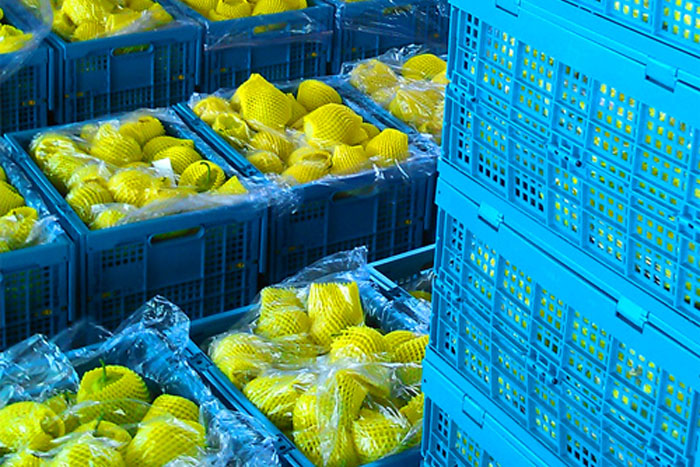
The plastic turnover box for food is generally made of PE or PP, and the product quality m
Learn more >Shandong Junchuang Intelligent Technology CO., LTD
+86-13066013183 (Nonworking Time)
Email Address: tina@sdjcznkj.com
Copyright:Shandong Junchuang Intelligent Technology CO., LTD
Key Word: plastic parts box part box divider foldable plastic warehouse box Stackable Storage Plastic Bin Box Plastic turnover box Plastic Pallet